
Blogs
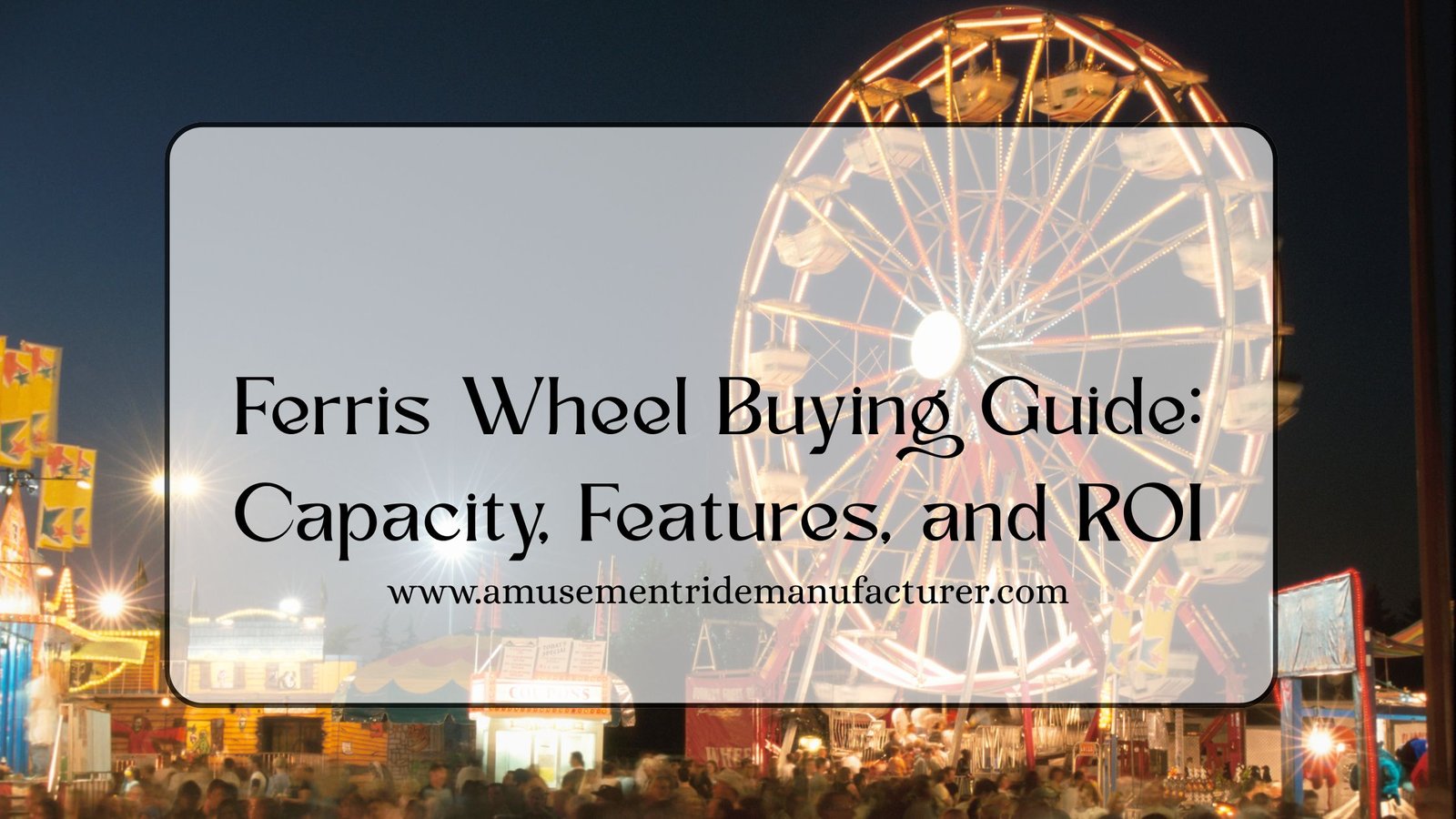
More than an amusement ride a Ferris Wheel—verily, it is a landmark attraction that characterizes the skyline of theme parks, malls, fairs, and holiday spots. If the right one gets selected, the Ferris Wheel will provide great visibility, constant visitor flow, and long-term profits. Owning a wrong Ferris Wheel, on the other hand, could mean low demand for the ride, heavy upkeep expenses, and no return on investment. To facilitate your decision-making, this guide will provide useful information regarding capacity, features, safety, and return on investment (ROI).
Why Invest in a Ferris Wheel?
Ferris Wheels are considered anchor attractions because they:
- Attract visitors from long distances
- Appeal to all age groups
- Offer premium ride pricing
- Operate year-round with minimal downtime
- Enhance the overall brand value of the venue
1. Choosing the Right Capacity
Capacity directly impacts throughput and revenue.
Key Capacity Factors
- Number of gondolas
- Seats per gondola
- Ride cycle duration
- Loading/unloading efficiency
2. Key Features to Look For
Structural Design
- High-grade steel construction
- Corrosion-resistant coating
- Wind-load and seismic resistance
Gondola Design
- Fully enclosed or semi-open cabins
- Child-safe doors with automatic locking
- Comfortable seating and ventilation
- Optional air-conditioning for premium rides
Control System
- PLC-based automation
- Soft start and stop for rider comfort
- Emergency stop buttons
- Power failure protection
3. Safety Features You Must Demand
Safety is non-negotiable when investing in a Ferris Wheel.
✔ Redundant braking systems
✔ Anti-rollback mechanisms
✔ Emergency evacuation systems
✔ Load and stress-tested structure
✔ ASTM / EN / IS safety compliance
✔ Third-party inspection certification
A safe ride builds trust and ensures uninterrupted operations.
4. Indoor vs Outdoor Installation
Indoor Ferris Wheels
- Lower weather-related wear
- Ideal for malls and FECs
- Smaller footprint
- Controlled environment
Outdoor Ferris Wheels
- Higher visual impact
- Suitable for theme parks and tourist locations
- Requires weatherproofing and wind resistance
Decision Tip: Choose indoor for consistency, outdoor for visibility.
5. Understanding ROI (Return on Investment)
Revenue Factors
- Ticket price (₹150–₹500+ per ride)
- Average daily riders
- Seasonal demand
- Bundled ride packages
Cost Considerations
- Initial purchase and installation
- Power consumption
- Maintenance and inspections
- Operator staffing
Typical ROI Timeline
- Small to medium Ferris Wheels: 18–36 months
- Large Ferris Wheels: 3–5 years
Ferris Wheels generate steady, predictable income, making them one of the safest amusement investments.
6. Maintenance & Operational Efficiency
A well-designed Ferris Wheel offers:
- Low daily maintenance
- Easy access to mechanical components
- Predictable servicing schedules
- Long operational lifespan (20+ years)
Choose manufacturers that provide:
✔ After-sales service
✔ Spare parts availability
✔ Operator training
✔ Annual inspection support
7. Customization & Branding Opportunities
Ferris Wheels offer excellent branding potential:
- LED lighting patterns
- Custom cabin colors
- Logo placement
- Festival and seasonal themes
These features increase night-time visibility and social media engagement, driving more visitors.
8. Space & Installation Requirements
Before purchase, evaluate:
- Available footprint
- Foundation and civil work
- Height restrictions
- Access for installation equipment
A professional site assessment prevents costly redesigns later.
9. Certifications & Legal Approvals
Ensure your Ferris Wheel includes:
- ASTM / EN / IS certification
- Load test reports
- Electrical safety clearance
- Local authority approval
- Insurance compliance documents
Without these, operations can be delayed or halted.
Final Thoughts
A Ferris Wheel is a long-term revenue asset, not just a ride. The right choice depends on:
- Correct capacity planning
- Proven safety features
- Efficient operations
- Reliable manufacturer support
- Realistic ROI expectations
When selected wisely, a Ferris Wheel becomes the most photographed, talked-about, and profitable attraction in your venue.