
Blogs
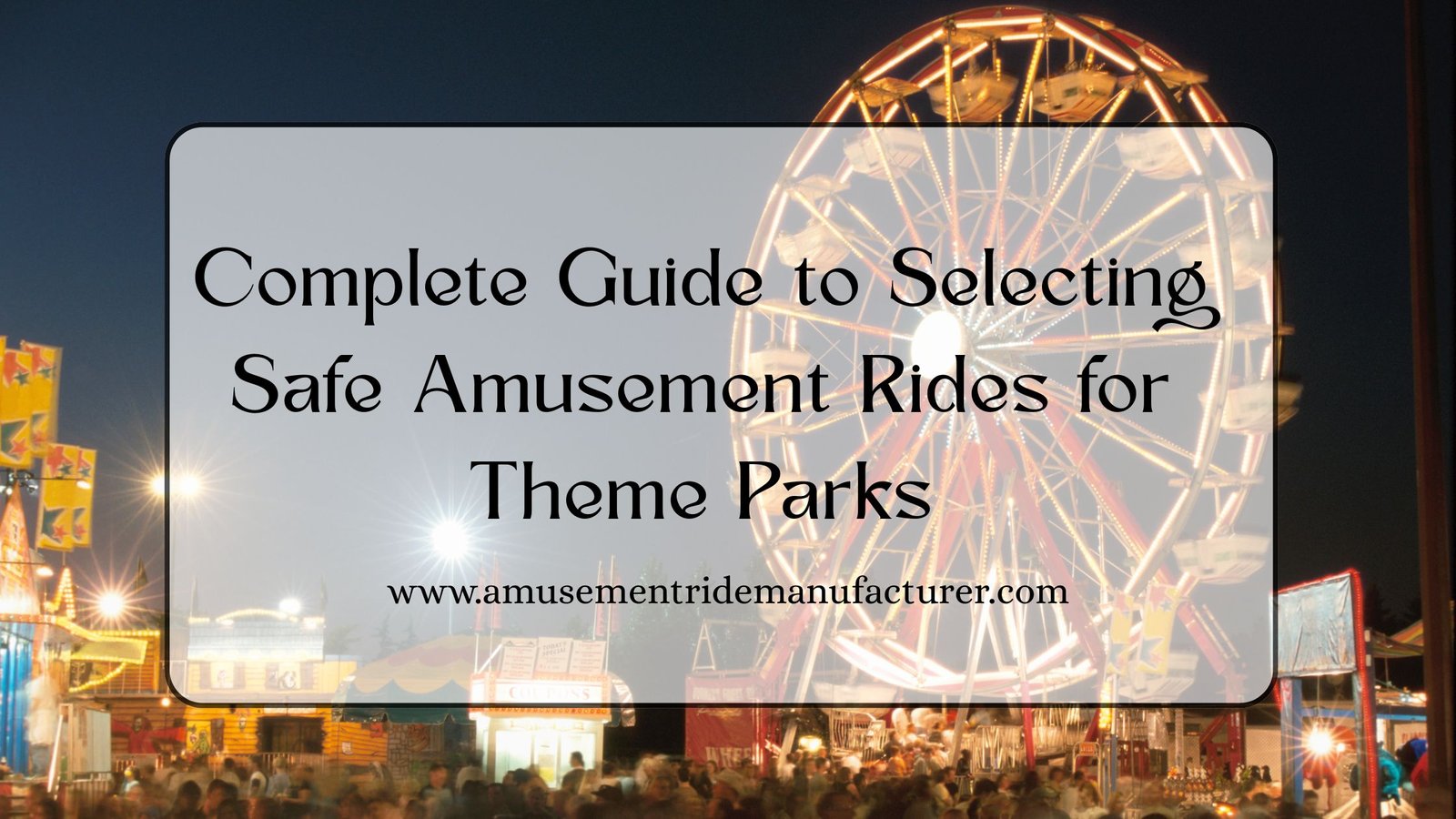
Amusement parks provide wonderful moments, exciting sensations, and unforgettable experiences. Nevertheless, a very important factor stands behind each loop, fall and carousel: safety. The process of selecting amusement rides that are safe is not only about complying with the law—but also about building up integrity, ensuring the safety of visitors and earning their satisfaction all the time. This guide will walk you through the process of picking rides that are new and safe whether you are opening a new park or enhancing your existing one.
1. Understand Safety Standards & Regulatory Compliance
Before considering any ride installation, familiarize yourself with essential safety frameworks:
National & International Standards
- ASTM F24 – widely used U.S. standard for amusement rides and devices.
- EN 13814 – European safety standard covering design and manufacturing.
- Your country’s local ride safety regulations and inspection requirements.
Why it matters: Compliance isn’t optional—it’s a legal and ethical foundation for guest safety and insurance coverage.
2. Define Your Park’s Audience & Ride Goals
Identify your target audience:
- Families: Gentle rides like carousels, swings, or family coasters.
- Thrill Seekers: High-speed coasters, drop towers, spinning attractions.
- Kids & Toddlers: Mini-rides with age and height-specific safety features.
Tip: Know your demographic before selecting ride types—this influences everything from height restrictions to expected throughput.
3. Evaluate Ride Design & Engineering
Choosing rides goes beyond the flashy exterior. Evaluate the technical and mechanical soundness:
Manufacturer Reputation
Select ride manufacturers with proven track records and transparent engineering documentation.
Structural Integrity
- Materials used (steel, composites)
- Corrosion resistance (especially for outdoor parks)
- Load limits and tolerance margins
Ride Control Systems
Modern rides use advanced sensors, redundant braking systems, and automated shut-offs that significantly enhance safety.
4. Safety Features to Look For
When reviewing specific rides, prioritize these safety design elements:
Redundant Restraint Systems
Multiple locking mechanisms prevent accidental opening mid-ride.
Smart Sensors & Safety Controllers
Detect anomalies—such as over-speeding or mechanical resistance—and automatically stop rides.
Emergency Brakes
Fail-safe braking systems that operate even during power loss.
Secure Access & Egress Paths
Clear evacuation routes for emergencies.
5. Ask for Inspection & Testing Documentation
Always request these from manufacturers before purchase:
Load testing reports
Non-destructive testing (NDT) certificates
Control system safety validation
Maintenance schedules
Pro Tip: Don’t skip third-party inspections. Independent auditors spot risks manufacturer teams might overlook.
6. Plan Ongoing Maintenance & Staff Training
Even the safest ride design can fail without proper upkeep:
Routine Maintenance
- Daily visual checks
- Monthly deep inspections
- Annual structural and control assessments
👨🏫Staff Training
Train ride operators on:
- Emergency procedures
- Restraint locking checks
- Recognizing system alerts
- Guest communication
Outcome: A well-trained team acts faster and smarter in critical situations.
7. Set Clear Rider Eligibility Rules
Safety isn’t just about machinery—it’s about people too.
Height and age restrictions
Health advisories (e.g., heart conditions)
Secure storage for loose items
Clear signage and announcements
Make rules easy to understand and enforce consistently.
8. Use Data to Monitor Ride Safety Over Time
Implement monitoring systems to collect safety data:
Incident logs
Breakdown frequency
Guest feedback
Operator observations
Use this data to:
- Spot patterns
- Prioritize upgrades
- Adjust operating procedures
9. Emergency Preparedness & Response Planning
Even with the best safety measures, incidents can happen. Prepare with:
Emergency response protocols
First-aid stations near high-risk rides
Evacuation and rescue drills
Coordination with local medical services
Quick response can save lives and build confidence.
10. Communicate Safety to Guests
Safety shouldn’t be a hidden effort—it should be visible:
Pre-ride safety announcements
Clear height and restriction signage
Friendly staff reinforcing rules
Online and park maps highlighting safety tips
Guests who understand safety rules are more likely to follow them.
Final Thoughts: Balance Fun With Responsibility
Selecting safe amusement rides is both a science and an art. It’s about pairing thrilling experiences with airtight safety planning. A well-chosen ride brings joy—and peace of mind.
By:
✔ Following standards
✔ Checking engineering capabilities
✔ Empowering your staff
✔ Educating guests
you’re not just choosing rides—you’re building trust.